

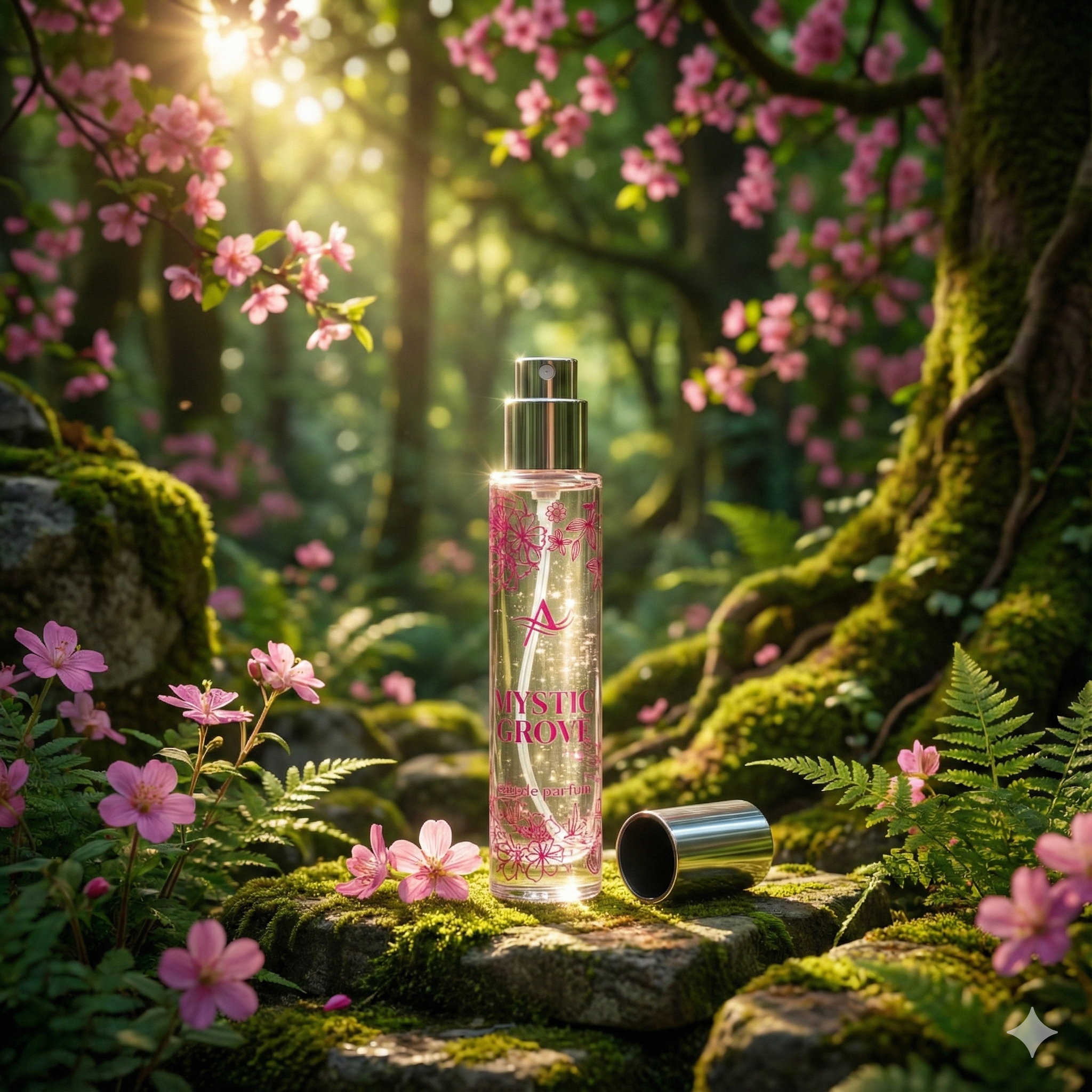
India’s Fragrance Industry: Market Size, Growth Forecast & Key Trends
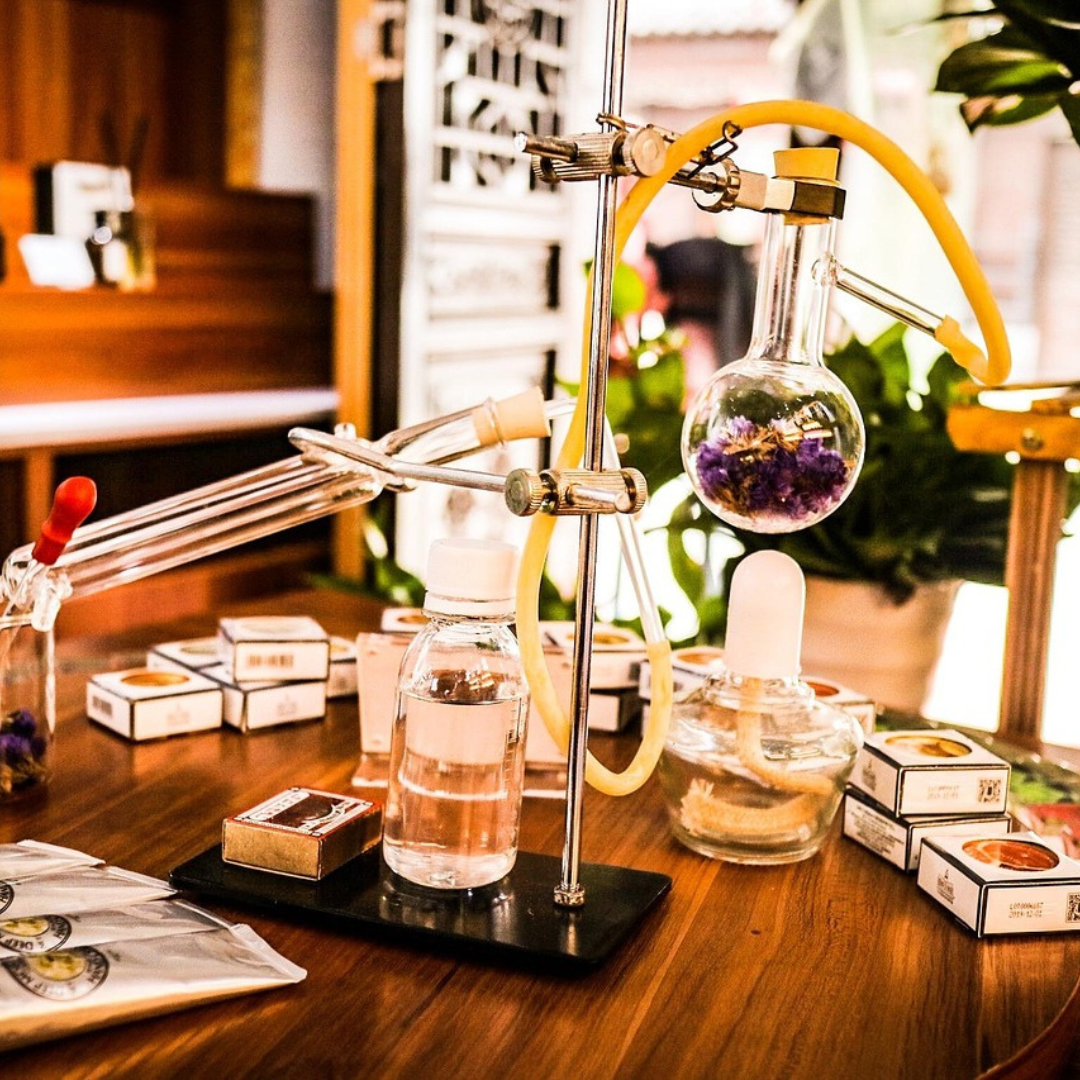
Consider a market in which age-old traditions meet hyper-modernity – artisans distilling rose petals in workshops that have been operating for hundreds of years, yet simultaneously, startups gaining millions of Instagram followers within days of launch. This is the India perfume market, a fascinating growth story in today’s world of consumer goods.
Fragrance has always held an important place in India. The sandalwood used in temples’ ritual offerings, the rose water that is poured out in weddings, and all other instances in between speak of the deep connection between Indians and scents. Yet, times are changing; rising incomes, a digital-savvy young population, a renaissance in traditional perfumery, and many more factors are coming together to create an environment that global fragrance giants cannot ignore.
This comprehensive guide provides a detailed analysis of the size and growth prospects for the India perfume market until 2033, the drivers behind demand, and the reason why India holds such unique potential in fragrance innovation.
1. India Fragrance Industry Market Size: A Market in Full Bloom
Before exploring why the India fragrance industry is growing so fast, it helps to understand the scale of what is happening.
| Metric | Figure | Source |
| India Fragrance Market Value (2024) | ~USD 1–2.1 Bn | Multiple analyst estimates |
| Projected India Fragrance Market Size (2033) | USD 3.2 Bn+ | IMARC Group, 13.9% CAGR |
| India Perfume Market Growth Rate (CAGR) | 9.6%–23.7% | 2025–2030 range across analysts |
While there may be differences in the methodologies of various research firms, the trend is clear across the board. According to IMARC Group, the India fragrances industry size touched USD 1.0 billion in 2024 and is set to grow at a CAGR of 13.9%, hitting USD 3.23 billion in 2033. Grand View Research estimates that the perfume industry alone will touch USD 2.35 billion in 2024, growing to almost double its worth at USD 4.08 billion in 2030 at a CAGR of 9.6%. Technavio’s estimate of an increase of USD 3.80 billion in value between 2025 and 2030 suggests that the CAGR can be as high as 23.7%.
The organized perfume industry alone, brands having a formal retail and online presence – is currently estimated at Rs 2,500 crore (~USD 300 million) and is slated to grow at 12-13% CAGR for the next five years, says BW Businessworld. The total perfume & deodorant market in India is currently valued at about Rs 10,000 crore (~USD 1.2 billion), with perfumes accounting for Rs 4,500 crore and deodorants for Rs 5,500 crore.
To contextualise this growth: India currently accounts for roughly 3.6/4.1% of the global fragrance market. The global market itself was valued at USD 29.19 billion in 2024 and is on track to reach USD 58.89 billion by 2032. As India’s share expands driven by demographics and income growth that no other major economy can match its influence on global fragrance trends will grow accordingly.
2. What’s Driving India’s Perfume Market Growth?
2.1 A Young, Aspirational Population
India hosts the world’s largest young population. Millennials alone constitute around 34% of the country’s total population, averaging 28 years of age, dominating both the workforce and the consumer base. For this particular generation, fragrances have crossed boundaries from being an occasion-centric product to being essential in their day-to-day lives. As per Technavio, increasing importance towards personal grooming has transformed fragrances from a luxury to a necessity in people’s lives.
The next generation – Gen Z – is amplifying this trend even further. Digital natives who are also aware of global trends, Gen Z in India is leading the way for niche fragrances, eco-friendly and sustainable formulas, gender neutral fragrances, and storytelling brands. Fragrances have been noted by Fireside Ventures, one of the most prominent consumer-focused venture capital firms in India, to be growing at the fastest pace among all beauty and personal care sub-segments.
2.2 Rising Disposable Incomes and the Middle-Class Surge
The consistent growth in India’s GDP has resulted in an unprecedented rise in the middle class population. People in both urban and semi-urban India have increased their purchasing power and are increasingly upgrading themselves from basic necessities to lifestyle products. The total India beauty and personal care market has achieved a value of USD 28 billion, a trend that directly helps the perfume industry.
It is worth mentioning here that this phenomenon is not limited only to metropolitan India. Tier 2 and Tier 3 cities including cities like Jaipur, Lucknow, Surat, and Indore are now contributing towards demand for fragrances, as retail, e-commerce, and media coverage extends beyond the top eight cities. North India alone accounts for 31% share in the perfume market in 2025, led by Delhi NCR but extending into its hinterland as well.
2.3 D2C Perfume Brands in India: The E-Commerce Revolution
The boom of e-commerce and direct to consumer (D2C) brands has perhaps done more to democratise and accelerate the fragrance market in India than any other single force. Between 2018 and 2025, at least 30 new fragrance brands entered India’s D2C ecosystem, according to Inc42 research. These range from pure-play perfume startups to beauty platforms like Nykaa expanding aggressively into the category.
The investment numbers tell their own story. India has seen USD 13.5 million in D2C perfume brand funding in the last decade, more than any other country, ahead of France (USD 6.44 million) and the United States (USD 2 million). Brand milestones include:
House of EM5, known for solid perfumes and affordable sprays, went viral with a campaign featuring cricketer Suryakumar Yadav (24.5 million Instagram views, 1.5 million likes) and raised Rs 1 crore from Shark Tank India Season 4.
Fraganote raised USD 1 million to push affordable luxury perfumes, backed by Rukam Capital.
Secret Alchemist, positioning around ‘clean perfumes’ and wellness, raised USD 3 million from Unilever Ventures.
Investors V3 Ventures and DSG Consumer Partners are actively preparing to enter the fragrance space.
- House of EM5, known for solid perfumes and affordable sprays, went viral with a campaign featuring cricketer Suryakumar Yadav (24.5 million Instagram views, 1.5 million likes) and raised Rs 1 crore from Shark Tank India Season 4.
- Fraganote raised USD 1 million to push affordable luxury perfumes, backed by Rukam Capital.
- Secret Alchemist, positioning around ‘clean perfumes’ and wellness, raised USD 3 million from Unilever Ventures.
- Investors V3 Ventures and DSG Consumer Partners are actively preparing to enter the fragrance space.
E-commerce platforms Nykaa, Tata Cliq, Amazon, Myntra have given consumers in every corner of India access to both domestic niche brands and international luxury houses, compressing what would previously have taken a decade of retail roll-out into a matter of years.
2.4 Social Media and the Influencer Economy
Social media has proved to be an excellent enabler of discovering new fragrances in India. Beauty gurus on Instagram, YouTube, and Reels have made fragrance shopping an engaging and participatory activity. Review videos, unboxing videos, and comparative videos help educate consumers and create aspiration much quicker than through any form of marketing.
It is clear that global luxury brands have taken note of this. In 2025, Chanel launched an initiative with Nykaa to increase its footprint in India. In December 2024, French luxury brand Diptyque inaugurated its first interactive retail store in India, which was established at Chanakya Mall, New Delhi. Another prestige brand, Creed, tied up with LUXASIA to expand through luxury online as well as brick-and-mortar stores.
2.5 Premiumisation: India’s Luxury Perfume Market
One unique aspect of the development of the India perfume industry is its occurrence on both sides of the spectrum. Even though mass fragrances continue to constitute the biggest category, with a revenue share of 75% in 2024, premium and niche fragrances are the quickest growing categories. In 2024, the India luxury perfume market was worth USD 1.20 billion and it is expected to touch USD 1.80 billion in 2033.
The most prominent category when fragrances are divided by types is the premium fragrances, with 58% market share in 2025. Consumers view premium fragrance as an indicator of status, while the tradition of giving gift perfumes during festivals like Diwali, Eid, and marriages contributes to spikes in demand. According to Market Research Future, consumers are becoming more environmentally aware and therefore companies are incorporating green practices and ingredient sources.
3. The Heritage Advantage: India’s 4,000-Year Head Start in Perfumery
If demographics and income explain the demand side of India’s fragrance boom, heritage and raw-material abundance explain why India is positioned to be more than just a large consumer market it has the makings of a global production and innovation hub.
3.1 Kannauj: The Perfume Capital of India
Located on the banks of the Ganga in Uttar Pradesh, Kannauj has been distilling fragrances since at least the Gupta era (approximately 4th–6th century CE). Known as the Perfume Capital of India, the city houses over 300 small-to-medium distilleries, tens of thousands of skilled workers, and families whose perfumery knowledge spans generations.
Kannauj’s signature product is attar a concentrated natural perfume oil produced through a traditional hydro-distillation technique called deg-bhapka, in which flowers such as rose, jasmine, and kewra are steam-distilled into a base of sandalwood oil. The process is slow and labour-intensive, yielding a product of extraordinary complexity and longevity.
For decades, Kannauj’s global profile was relatively modest. That has changed. As global consumers shift toward natural, non-alcoholic, and story-rich fragrances a trend accelerated by the clean-beauty and wellness movements attars have found new audiences worldwide:
- In the Gulf, where Islamic traditions limit alcohol-based fragrances, Indian attars have found enthusiastic buyers. The UAE is now among the largest importers of Indian attar, and private labels in Saudi Arabia and Qatar use Kannauj oils as base notes.
- In Europe and Japan, luxury houses and niche perfumers are actively exploring Kannauj for raw-material partnerships.
- Mitti attar made from baked earth, capturing the scent of the first rain has become a cult product among fragrance connoisseurs globally.
Industry reporting notes that raw materials transformed in Kannauj find their way to some of the most prestigious perfume brands worldwide. The city’s geographical indication (GI) protection for Kannauj attar is being leveraged to boost authenticity and export competitiveness a strategy similar to how Champagne or Darjeeling tea built global brand value on provenance.
3.2 India’s Botanical Richness and Natural Fragrance Exports
India’s biodiversity gives it an unmatched palette of fragrance raw materials. Rose otto from Kannauj, vetiver (khas) from Rajasthan, jasmine from Tamil Nadu, sandalwood from Karnataka and Mysore, and tuberose from across the country are not just ingredients they form India’s natural fragrance capital stock.
India exports perfumes, attars, essential oils, aroma chemicals, incense fragrances, and cosmetic fragrance compounds to markets worldwide. Many Indian fragrance exporters now comply with IFRA (International Fragrance Association) standards and international quality regulations, making them viable suppliers not just for domestic products but for global luxury brands. Companies like SH Kelkar, operating globally as Keva Fragrances and one of India’s largest fragrance exporters, supply fragrances to personal care, home care, fabric care, and fine fragrance brands worldwide.
Separately, production-side data underscores India’s manufacturing scale: India is reported to be the world’s largest consumer and producer of perfumes and toilet waters by volume, with domestic output representing roughly 60% of global production a function of its enormous population, deep cultural use of fragrance, and widespread use of traditional formats like attars and perfumed oils alongside modern alcohol-based sprays.
4. Is India Becoming the Global Epicentre of Fragrance? The Convergence Argument
The case for India as a global epicentre of fragrance development over the coming decade rests on a convergence of factors that few other countries combine in quite the same way.
Scale of Domestic Demand
With a population of 1.4 billion and a middle class that continues to expand, India’s domestic fragrance market will, within a decade, be one of the two or three largest in the world. India is projected to be the fastest-growing fragrance market in Asia Pacific, reaching USD 3.18 billion by 2033 ahead of more mature markets like Japan and Korea in growth-rate terms.
Production and Raw-Material Advantage
Few countries combine India’s botanical diversity, existing artisanal production infrastructure, pool of trained perfumers, and cost-competitive manufacturing base. Internationally, fragrance houses are diversifying supply chains away from sole reliance on European and Middle Eastern sources and India is a natural beneficiary of that diversification.
Innovation from the D2C Startup Ecosystem
India’s D2C fragrance startup ecosystem among the most heavily funded in the world on a per-country basis is generating product and brand innovation at speed. Brands like House of EM5, Secret Alchemist, and Fraganote are not just selling to Indian consumers; they are building playbooks that other emerging markets will eventually adopt. The ability to blend heritage notes such as attar, oud, and mitti with contemporary formulation science and digital marketing is a distinctly Indian capability.
The Global Luxury Rush to India
The arrival of Diptyque, Creed, Chanel’s expanded Nykaa partnership, and a stream of other luxury entrants is not accidental. These brands are following a well-worn pattern: they entered China when Chinese consumers began premiumising, and China became their second- or third-largest market within fifteen years. India appears to be at an analogous inflection point, but with a younger demographic profile and a more digital-first consumer culture.
The Sustainability Tailwind
One of the most powerful global trends in fragrance the move toward natural, sustainable, and ethically sourced ingredients plays directly to India’s strengths. Heritage formulations like attar are inherently natural. Indian brands are pioneering alcohol-free, vegan, and cruelty-free formulations that resonate with environmentally conscious consumers worldwide.
5. Challenges Facing India’s Fragrance Industry
No market analysis would be complete without an honest look at headwinds. India’s fragrance boom is real, but it is not without obstacles.
- Price sensitivity remains significant outside major metros, limiting premium market penetration to top urban centres.
- Counterfeit products continue to undermine consumer trust and distort pricing, particularly in the mass and affordable-luxury segments.
- Rural and semi-urban distribution infrastructure remains inconsistent, creating access barriers that e-commerce alone cannot fully solve.
- Regulatory complexity import duties, labelling regulations, chemical compliance requirements can slow product launches and raise costs for domestic and international brands alike.
- Seasonal and festival-driven demand creates planning challenges and uneven revenue patterns for manufacturers and retailers.
These are the challenges of a market that is growing rapidly, not one that is structurally impaired. The trajectory remains clearly upward.
6. India Fragrance Market Trends to Watch in 2026 and Beyond
Gender-Neutral and Inclusive Fragrance
Growing youth interest in personalised, gender-neutral scents is reshaping product development. Brands that can bridge traditional gender categories historically a strong dividing line in Indian perfume culture are positioned to capture a disproportionate share of millennial and Gen Z spending.
The Wellness-Fragrance Nexus
Aromatherapy, clean beauty, and holistic wellness are converging with the fragrance category. ITC’s July 2025 launch of Pranah, its high-end aromatherapy brand featuring scented candles and incense, signals this convergence at the FMCG level.
Home Fragrance and Scented Candles Market in India
India’s scented candles and home fragrance market, valued at USD 18.56 million in 2025, is growing at a 4.66% CAGR through 2034. This adjacency driven by D2C brands, gifting culture, and a post-pandemic focus on home environments is being targeted by established fragrance players and new entrants alike.
Heritage Revival and Attar Export Growth
The formal revival of Kannauj attar through GI protection, luxury brand partnerships, and digital storytelling — represents a significant export opportunity. If India can do for attar what France did for its haute parfumerie tradition, the economic and cultural upside is substantial.
Tier 2 and Tier 3 City Penetration
The next fifty million fragrance consumers in India are unlikely to come from Mumbai or Delhi alone many will come from cities like Vadodara, Coimbatore, Bhopal, and Guwahati. Brands with omnichannel strategies that can serve these consumers effectively will define the next phase of market growth.
Conclusion: The Scent Is Already in the Air
India’s fragrance industry is no longer an emerging story it is a fast-growing reality. Driven by strong consumer demand, deep cultural roots, technological innovation, and entrepreneurial momentum, India is rapidly establishing itself as a global fragrance powerhouse.
What sets India apart is its unique blend of ancient perfumery traditions and modern ambition. With centuries-old expertise, abundant natural ingredients, a young consumer base, and a thriving startup ecosystem, the country offers unmatched opportunities for growth.
Companies like Pahal Wellness are helping shape this transformation by bringing innovation, quality, and accessibility to modern fragrance consumers. As global brands increase their focus on India and local players continue to scale, the country is well-positioned to become one of the world’s most influential fragrance markets.




Subscribe To Our Newsletter
Subscribe for your email and get 10% off your first order!

COPYRIGHT 2024 © PAHAL VENTURA. ALL RIGHTS RESERVED.