

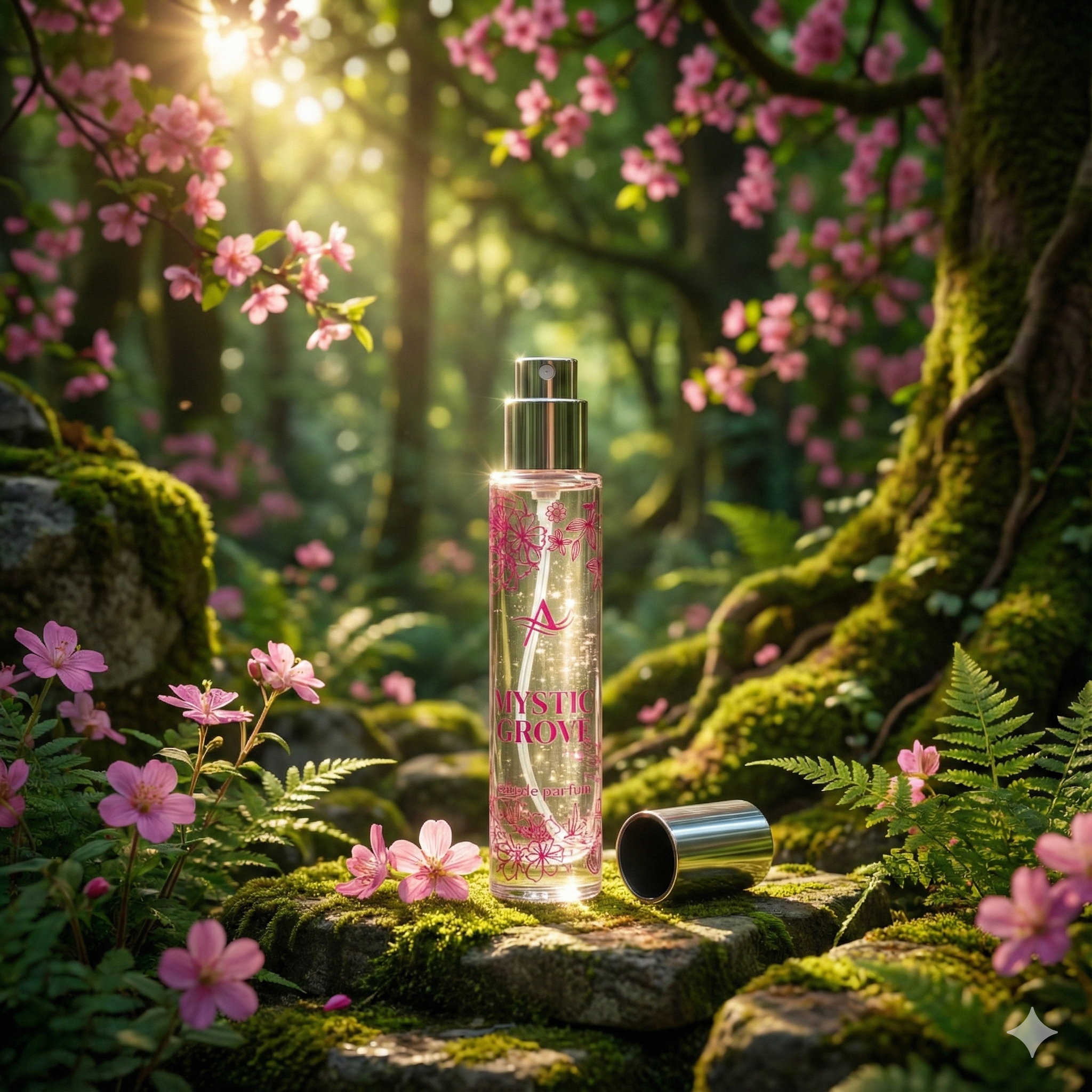
Why Fragrance and Candles Need Time to Mature: The Science of Maceration and Curing
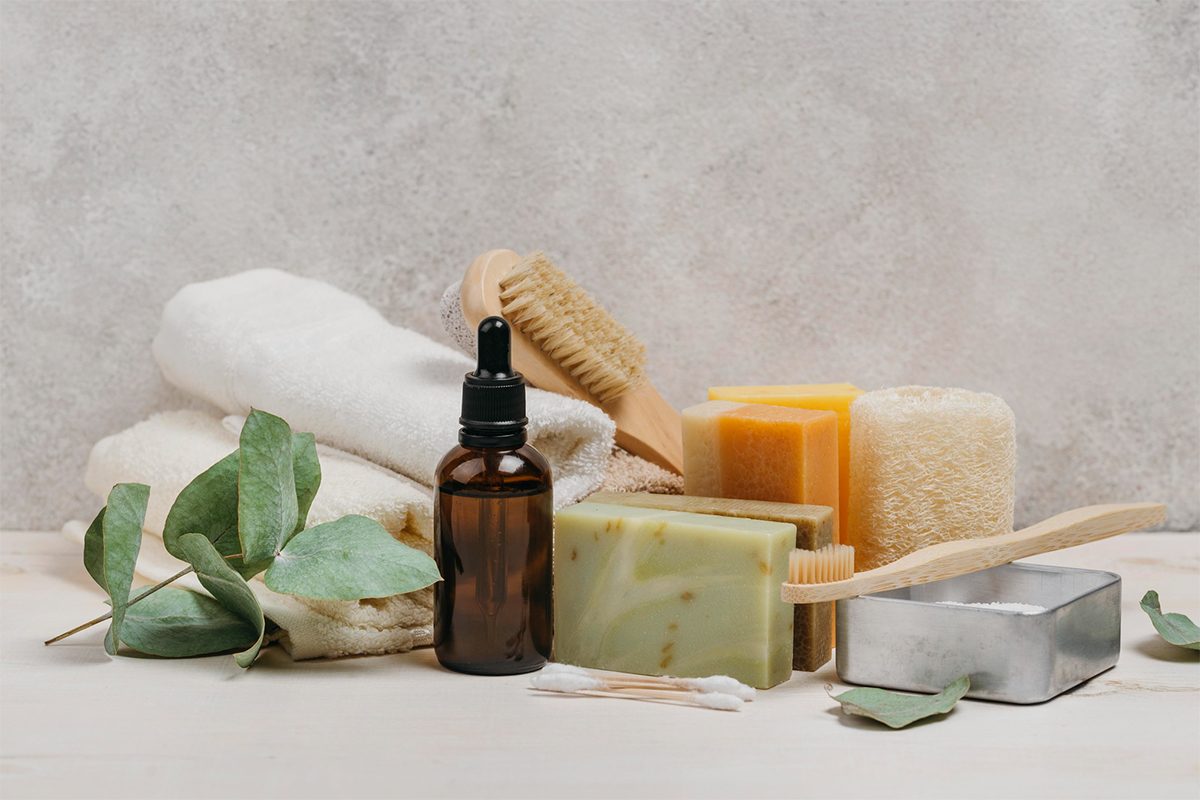
Unboxed a new perfume or candle that smells flat? Here’s why and exactly how long you need to wait.
Have you ever been gifted a new perfume, room spray or luxury candle and found the scent underwhelming? Maybe the perfume has a sharp smell of alcohol, or the cold throw of the candle, the scent before it’s lit, is hardly there. Before you assume the product is bad quality, consider a simpler explanation: your fragrance is just too young.
In professional perfumery and home fragrance production, maceration and maturation are the processes that take a raw, disjointed mixture of fragrance oils and turn it into a fully rounded, long-lasting scent. We explain the chemistry below, share professional timelines and give you actionable steps to mature your fragrances at home.
1. Perfume Maceration: What Happens Inside the Bottle
When a perfume is first blended, it is essentially a concentrated mixture of fragrance oils suspended in perfumer’s ethanol. At this stage, the alcohol is volatile and aggressive, it dominates the olfactory profile, masking delicate top notes and flattening deep base notes like oud, amber, and sandalwood.
Maceration is the resting period during which the fragrance concentrate and solvent reach chemical harmony. Three key processes occur:
| SOLVATIONFragrance molecules fully dissolve and distribute evenly through the ethanol, eliminating ‘hot spots’ that cause harsh, uneven projection. | ESTERIFICATIONAcids and alcohols react to form esters compounds responsible for fruity and floral nuances deepening the scent’s complexity. | CONTROLLED OXIDATIONA small amount of oxygen softens harsh chemical notes. Limonene in citrus accords, for instance, oxidises into smoother, woodier tones. |
Professional standard: Most luxury houses macerate for 4–6 weeks before quality-control assessment. Independent perfumers working with high-load oud or animalic bases often extend this to 8–12 weeks.
2. Room Fresheners and Reed Diffusers: Achieving a Full, Even Bloom
Room sprays and reed diffusers depend on what industry insiders call “bloom,” or the ability of a fragrance to travel through the air and stick around. A new batch of room freshener often contains micro-heterogeneities: tiny areas where the fragrance oil has not completely bonded with the carrier (usually isopropyl myristate or a water-alcohol mixture).
After 2–3 weeks of rest, the mixture is at chemical equilibrium. The practical result: The aroma travels farther, lingers longer and makes for a steady environment, not a short, erratic burst.
Tip for reed diffusers: Allow the reeds to saturate for 24–48 hours before expecting full diffusion. Flip the reeds after the first week to refresh the scent throw.
3. Scented Candles: Why Curing Time Directly Affects Burn Quality
In candle-making, the maturation process is called curing, and skipping it is one of the most common reasons a candle underperforms. Lighting a freshly poured candle often produces a weak scent throw, tunnelling (where the wax burns down the centre, wasting the outer wax), or uneven fragrance release.
Two things happen during a proper cure:
- Wax bonding: Fragrance oils migrate into and bind with the wax crystal structure particularly important in natural waxes such as soy, coconut, and rapeseed, which have a more porous crystalline lattice than paraffin.
- Scent distribution: Fragrance oil that has fully bonded to wax releases more evenly and efficiently as the melt pool forms, giving a stronger and more consistent hot throw throughout the candle’s life.
| MINIMUM CURE1 WeekParaffin blends and high-load fragrance concentrations above 10% | RECOMMENDED CURE2 WeeksNatural waxes (soy, coconut, rapeseed) the industry standard |
How to Mature Your Fragrances at Home: A Practical Guide
Whether you have bought a freshly bottled perfume or made your own blend, these steps will accelerate and optimise maturation:
- Introduce a certain level of oxygen: Spray your perfume 3 to 5 times without the cap on and seal it tightly. This ensures that some amount of oxygen will get introduced into the bottle, setting off the process of oxidation under control without spoiling the scent.
- Keep it in the right storage place: Light and especially ultraviolet light break down the molecule structure of your perfume, thus spoiling it rather than helping mature. Temperature plays a crucial role in speeding up chemical processes, hence should be kept at a minimum. Drawers or wardrobe shelves work just fine.
- Be patient and wait 4 to 6 weeks: The signs you should look for during this time are darker shades of the liquid, which is noticeable in vanilla or resin-heavy scents, as well as rounding up of its general aroma.
- Be aware of how long to let the maturing continue: Citrusy perfumes run the risk of becoming flat due to excessive oxidation after 8 weeks. Oriental and woody fragrances, on the other hand, might keep improving for several months.
In a world of instant gratification, fragrance can still serve as a powerful reason to be patient. An amazing fragrance is not just a formula; it is a chemical reaction that takes time. Give it the opportunity it deserves, and it will always do better than when it is freshly bought.



Subscribe To Our Newsletter
Subscribe for your email and get 10% off your first order!

COPYRIGHT 2024 © PAHAL VENTURA. ALL RIGHTS RESERVED.